



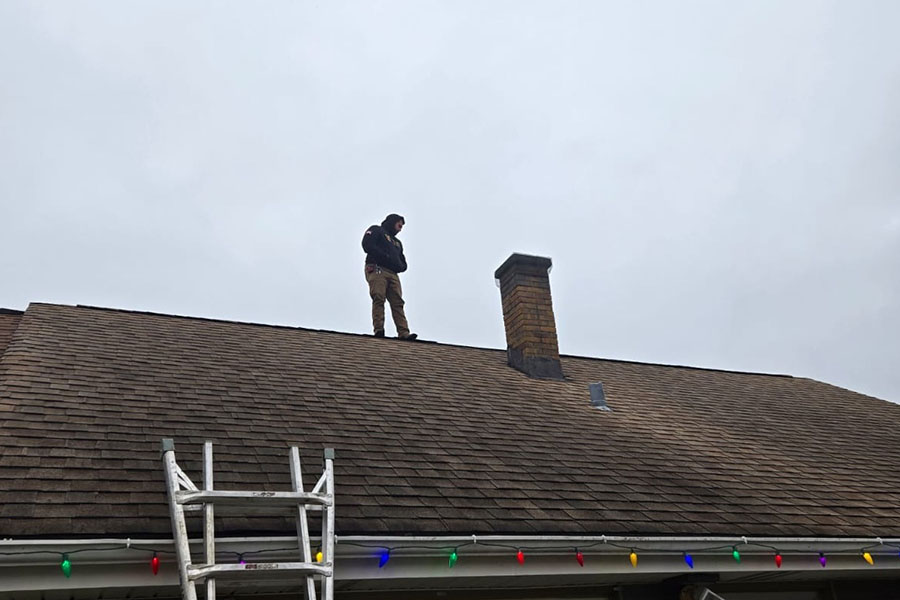
You’ve got an asphalt roof, right? They usually last between 15 and 30 years, but various factors, like maintenance and weather conditions, can affect this timeline. Now, you might wonder: When is it time to contemplate a replacement? If you’re noticing issues like curling or blistering shingles, missing or broken pieces, or granules building up in your gutters, it might be time to take action. And let’s not forget about interior signs like water stains or leaks. Can you afford to ignore these signals? Let’s take a closer look.
Understanding Asphalt Roofing
While many homeowners may overlook the importance of their home’s asphalt roofing, understanding its structure and functionality is essential. Your roof is the first line of defense, protecting your house against harsh weather elements. When constructed correctly, asphalt roofs offer superior water resistance and durability.
Asphalt roofing shingles are made from organic felt or fiberglass bases, saturated with asphalt, and coated with mineral granules. These granules provide aesthetic appeal and protect the asphalt coating from the sun’s harmful ultraviolet rays.
You see, asphalt shingles aren’t just for looks. They’re designed to prevent water penetration and protect your home from wind and fire damage. They’re also built to withstand temperature fluctuations, reducing the likelihood of cracking and leaking.
However, your asphalt roof’s effectiveness is dependent on proper installation and maintenance. Regular inspections can help spot potential issues early, saving you from costly repairs down the line. Consequently, it’s important to have a professional roofing contractor who understands the intricacies and best practices of asphalt roofing and performs these inspections and any necessary repairs.
Lifespan of an Asphalt Roof
A well-installed and adequately maintained asphalt roof lasts 15 to 30 years. This lifespan is ideal for homeowners wanting robust protection without frequent replacements. Yet, understanding the lifespan of your roof isn’t just about counting years. It’s about recognizing when it’s time for a check-up or replacement.
You might wonder, “How do I know when my asphalt roof is nearing its end?” Well, you’ll start to see several telltale signs. Look for granules in your gutters. These are small, sand-like particles from your shingles. It’s a clear sign of wear if you’re finding a lot. Also, take note of any warped or missing shingles. These often indicate your roof’s protective layer is deteriorating.
Factors Affecting Asphalt Roof Longevity
Although the average lifespan of an asphalt roof is 15 to 30 years, not every roof reaches this age. Various factors can shorten this lifespan.
Firstly, location plays a significant role. You’ll find roofs in areas with harsh weather conditions don’t last as long. Extreme temperatures, heavy snowfall, high winds, and frequent hail can cause premature aging and damage. If you’re in a region with such conditions, you can expect your roof to need replacing sooner.
Secondly, the quality of the materials used and the expertise of the installer are vital. Lower-quality materials or improper installation can lead to problems down the line, including leaks, sagging, and other structural issues. Choosing a reputable roofer who uses high-quality materials to extend the life of your roof.
Lastly, poor attic ventilation can also reduce your roof’s lifespan. Heat and moisture can build up in the attic without proper ventilation, leading to roof deterioration and damage. Ensuring your attic space is well-ventilated is a proactive way to prolong your roof’s longevity.
Regular Maintenance and Roof Life
Since your asphalt roof weathers the elements daily, regular maintenance is critical for extending its lifespan. Just like your car needs routine oil changes, your roof needs consistent care to function efficiently. Without it, you’re looking at a shorter roof life and potentially costly repairs.
Consider scheduling professional inspections every couple of years. These experts can spot minor issues before they escalate into significant problems, saving you time, stress, and money. They’ll clear debris, check for leaks, and assess overall roof health.
In between professional inspections, you can also actively extend your roof’s lifespan. Regularly clean your gutters to prevent water buildup that can damage your roof. Look for loose or missing shingles and get them replaced promptly. Remove moss or algae, which can cause shingle damage if left unchecked.
Signs of Asphalt Roof Wear
While you’re busy with regular maintenance and inspections, knowing the telltale signs of wear on your asphalt roof is equally important. Over time, your roof may show signs of aging that, if left untreated, can cause serious issues. Here are some key indicators that your roof may need attention.
One of the most common signs is curling or blistering shingles. When the edges of the shingles start to curl upwards or if you notice raised bumps, it’s a warning that your roof’s health is deteriorating. Another clear indicator is missing shingles. If you notice patches where shingles used to be, it’s a sign that your roof is losing its protective layer and becoming more susceptible to damage.
Granule loss is another sign. If you notice granules in your gutters or downspouts, it signals that your shingles are wearing out. Finally, look for signs of water damage inside your home. Stains or damp spots on your ceilings or walls can be a silent signal of a leaky roof.
When to Seek Professional Inspection
Even though your own observations can provide valuable insights into the health of your asphalt roof, there are times when it’s best to seek a professional inspection.
For instance, if you’ve recently experienced severe weather conditions such as strong winds, hail, or heavy snowfall, it’s wise to have your roof checked by a professional. They can spot damage that you might miss, like cracked, curled, or missing shingles or subtle signs of water leakage.
Regular inspections should also be part of your roof maintenance routine. Typically, you should schedule a professional inspection every two to three years, but older roofs may require more frequent check-ups. These inspections can help identify potential issues before they become costly repairs or even require a full roof replacement.
Lastly, if you’re planning to sell your home shortly, a professional roof inspection is a proactive step to guarantee no hidden issues could affect the sale.
The Process of Roof Replacement
The journey towards getting a new asphalt roof begins with understanding the replacement process. This knowledge empowers you to make informed decisions and communicate effectively with your chosen roofing contractor.
First, you’ll need to select a reputable contractor. They’ll thoroughly inspect your existing roof, identifying any issues and evaluating the extent of the damage. From this, they’ll provide a detailed replacement plan.
Next, the old roofing materials will be removed and moved down to the decking. This step is vital, allowing your contractor to inspect the underlying structure and verify it’s sturdy enough for the new roof. If there’s damage, they’ll repair it before proceeding.
Once the deck is prepared, your contractor will install a barrier to protect your home from water and ice. Then, the asphalt shingles are laid meticulously to guarantee durability and longevity.
Finally, your contractor will clean the work site, removing debris and leftover materials. They’ll also conduct a final inspection to confirm the quality of their work. Remember, a well-executed roof replacement safeguards your home and enhances its appeal and value.
Costs Involved in Roof Replacement
Understanding the process of roof replacement is just one side of the coin. The other side, equally important, is grasping the costs involved. Deciphering these costs can be complex, as several variables influence them.
The primary factor is the size of your roof. Larger roofs require more materials and labor, increasing the overall cost. The complexity of the roof’s design also plays a part. A roof with numerous valleys, angles, and features like chimneys or skylights will be more expensive to replace.
Material choice is another key aspect. While asphalt shingles are cost-effective, other materials like metal or slate may increase the cost. However, they often provide longer durability and require less maintenance.
Disposal fees for your old roof should not be overlooked. These fees vary, so asking your contractor for a precise estimate is essential. Additionally, unexpected repairs, such as fixing damaged decking or reinforcing rafters, can add to the final bill.
Lastly, your location may impact the cost. Certain areas have higher labor costs, and local building codes may require specific materials or methods.
Choosing the Right Roofing Contractor
How do you pick the right roofing contractor? It’s not as intimidating as you might think, but requires careful consideration. The first step is to do your research. Look for a contractor with proven experience in asphalt roofing. They should have a solid reputation and positive reviews from previous clients.
Next, check for proper licensing and insurance. This protects you from any liability during the project. The contractor should willingly provide these details. If they’re hesitant, it’s a red flag.
Always request a written estimate. You must be clear about the costs upfront. The estimate should detail all aspects of the job, from materials to labor. Be wary of any contractor who isn’t transparent with their pricing.
Lastly, remember that communication is key. You want a contractor who’ll keep you informed throughout the project. They should be responsive and willing to answer any questions you have.
Choosing the right roofing contractor is essential to guarantee the longevity of your asphalt roof. By following these guidelines, you’ll be well on your way to finding a contractor who meets your needs and exceeds your expectations.
Prolonging Your Asphalt Roof’s Lifespan
While hiring a competent contractor is essential, your role in prolonging your asphalt roof’s lifespan doesn’t stop there. Regular maintenance is vital. Keep the roof and gutters clear of debris. Dead leaves, twigs, and other trash can dam up your gutters, leading to water damage on your roof.
Look out for signs of wear and tear. These include missing or broken shingles, granules in the gutter, and noticeable fading. Also, don’t ignore leaks. Even a tiny leak can cause significant damage over time. It’s best to address these issues promptly, preventing minor problems from escalating into major ones.
Your attic also plays a key role in maintaining your roof’s health. Maintain proper ventilation to prevent heat and moisture build-up, which can cause your shingles to warp. Likewise, insulation is crucial to prevent heat loss, saving you energy and money.
Lastly, a professional roof inspection should be performed every few years. Experts can spot potential problems you might miss and help guarantee your asphalt roof lasts as long as possible. Remember, a little prevention can save you a lot in the long run.
Frequently Asked Questions
What Are the Environmental Impacts of Asphalt Roofing?
Asphalt roofing impacts the environment through production, waste generation, and energy usage. It’s not highly recyclable and contributes to landfill waste. Plus, its production emits harmful greenhouse gases. So, consider these factors before choosing it.
Can an Asphalt Roof Be Painted or Sealed for Aesthetic Purposes?
Yes, you can paint or seal your asphalt roof for aesthetic purposes. However, using products specifically designed for asphalt roofs is crucial to avoid damaging the material and reducing its lifespan.
What Are the Energy Efficiency Implications of an Asphalt Roof?
An asphalt roof isn’t the most energy-efficient choice. It absorbs heat, raising your home’s temperature and causing you to use more energy for cooling. Consider lighter colors or reflective coatings to improve its efficiency.
How Does Asphalt Roofing Compare to Other Materials Like Slate or Metal?
Compared to slate or metal, asphalt roofing is cost-effective and easy to install. However, it doesn’t match their longevity or premium aesthetic, and you’ll also need to replace it more frequently.
Are There Any Insurance Considerations Related to Asphalt Roofing?
Yes, there are insurance considerations for asphalt roofs. You’ll often see lower premiums due to asphalt’s durability and resistance to fire. However, insurers might increase rates as your roof ages, so keep it well-maintained.
Conclusion
So, remember, your asphalt roof’s longevity depends on many factors, including regular maintenance and environmental conditions. Look for signs of wear, like curling shingles or leaks. When it’s time for a replacement, consider all costs involved and choose a reputable contractor. Doing so will extend your roof’s lifespan and guarantee it continues to protect your home effectively. It’s not just about how long an asphalt roof lasts; it’s about keeping it in top condition.