



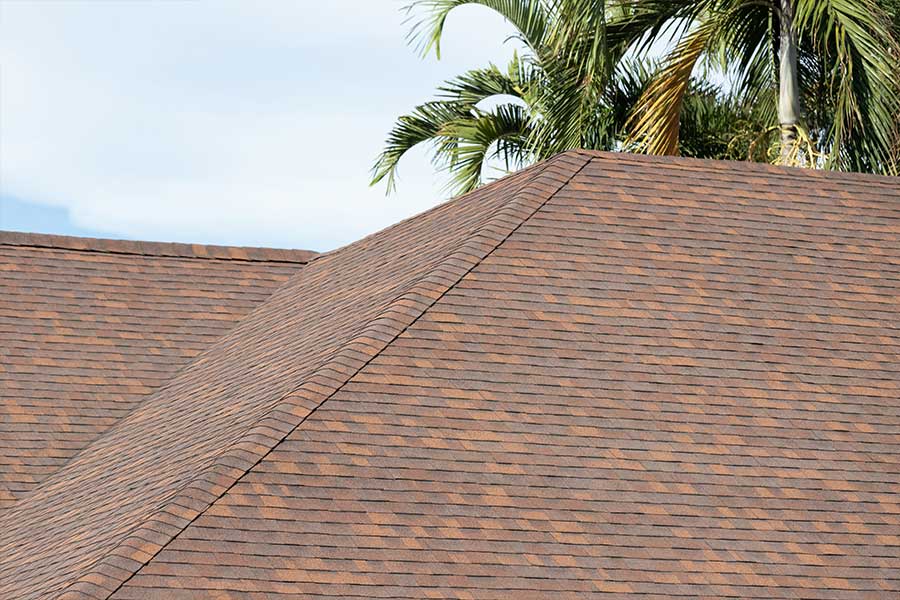
Much like a well-tended garden, your roof needs regular attention to thrive. As a Burlington homeowner, you might not realize how vital roof inspections are for maintaining your property’s value and safety. From seasonal check-ups to spotting subtle signs of damage, there’s a lot to contemplate. Understanding these essential tips can save you from costly repairs down the line. Are you ready to uncover what your roof might be hiding?
To address any concerns or get expert advice tailored to your area, consider starting with trusted roofing services in Burlington, WI.
Understand the Importance of Roof Inspections
When you think about home maintenance, roof inspections mightn’t be at the top of your list, but they’re fundamental for protecting your investment. A well-maintained roof shields your home from the elements, preventing leaks, mold, and structural damage.
Regular inspections can catch minor issues before they escalate into costly repairs, saving you money in the long run. Plus, knowing your roof’s condition gives you peace of mind, especially during severe weather.
Roof inspections also play an important role when you’re considering selling your home. A solid roof can boost your property’s value and attract potential buyers.
Don’t wait until you notice a problem; proactive inspections guarantee your roof stays in top shape for years. By prioritizing roof inspections, you’re taking a significant step in safeguarding your home and investment. Additionally, regular inspections are especially crucial for roofs over 10 years old, as they help detect potential storm damage early and support proactive maintenance planning. For the most accurate assessment, book a professional roof inspection to stay ahead of problems.
Schedule Inspections Seasonally
Scheduling roof inspections seasonally can help you stay ahead of potential issues. By considering seasonal weather patterns, you can detect early damage and plan for necessary maintenance. This proactive approach guarantees your roof remains in top condition year-round. Additionally, addressing storm damage roof repair early can prevent costly repairs down the line.
Seasonal Weather Considerations
As the seasons change, it’s crucial to keep your roof in top shape by scheduling regular inspections. Different weather conditions can impact your roof’s integrity considerably.
In autumn, for example, falling leaves and debris can clog gutters, leading to water buildup. Winter brings snow and ice, which can cause added weight and potential leaks.
Spring is the perfect time to check for any damage from winter weather, while summer heat can lead to wear on your shingles.
By aligning your inspections with these seasonal shifts, you can proactively address potential issues before they escalate.
Don’t wait until it’s too late—stay ahead of the weather and make sure your roof remains durable throughout the year.
Early Damage Detection
To catch potential roofing issues before they escalate, regular inspections are essential. Scheduling seasonal roof inspections helps you identify problems early, ensuring your roof remains in good condition.
Here are three key times to evaluate inspecting your roof:
- Spring: After winter, check for damage from snow and ice, including missing shingles or leaks.
- Summer: Inspect for wear and tear from heat and storms, looking for signs of deterioration or debris accumulation.
- Fall: As leaves fall, remove debris and check for potential blockages in gutters, which can lead to water damage.
Maintenance Planning Opportunities
While regular roof inspections are essential for maintaining your home’s integrity, planning these checks seasonally can maximize their effectiveness.
Scheduling inspections in spring and fall allows you to catch potential issues before they escalate. In spring, you can assess winter damage, like missing shingles or ice damming effects, guaranteeing your roof is ready for summer storms.
In the fall, you’ll want to check for debris accumulation and prepare your roof for harsh winter conditions. This proactive approach not only prolongs your roof’s lifespan but also saves you money on costly repairs.
For more advice and ongoing roofing care, see our roof maintenance tips blog for Burlington-area homeowners.
Check for Visible Damage
When you inspect your roof, start by looking for visible damage that could indicate underlying problems. Spotting issues early can save you time and money down the line.
Here are three key areas to check:
- Shingles: Look for missing, cracked, or curling shingles. These can allow water to penetrate and cause further damage.
- Leaks: Check for water stains on your ceiling or walls. If you notice any, it may signal a leak that needs immediate attention.
- Gutters: Inspect your gutters for clogs or sagging. Blocked gutters can lead to water buildup on your roof, which can cause rot or mold. Additionally, consider scheduling a thorough inspection to assess your roof’s overall condition and identify any hidden issues.
Inspect Flashing and Seals
As you continue your roof inspection, don’t overlook the importance of examining the flashing and seals around chimneys, vents, and skylights.
These areas are vital for preventing water infiltration, so you’ll want to make certain they’re in good condition. Look for any cracks, gaps, or signs of wear. If the flashing is bent or missing, it won’t do its job effectively.
Inspect the seals for any deterioration or peeling, as this can lead to leaks. A tight seal is essential, so make sure there aren’t any loose or compromised areas.
If you notice any issues, it’s wise to address them promptly. Ignoring these problems can lead to more extensive damage down the line. Additionally, consider scheduling a detailed inspection with a professional to ensure all potential issues are identified and managed effectively.
Look for Signs of Water Damage
Water damage can be a homeowner’s worst nightmare, so it’s crucial to look for signs during your roof inspection.
Start by examining your ceilings and walls for any discoloration or stains. These often indicate that water is leaking through your roof.
Next, check your attic for dampness or mold; this can signal a serious issue that needs immediate attention.
Finally, inspect your gutters and downspouts for signs of water pooling or rust, as this can affect the roof’s drainage and lead to further damage.
Here are three specific signs to watch for:
- Dark spots or stains on ceilings and walls.
- Sagging areas in your roof or ceiling structure.
- Mold growth in the attic or on insulation.
Identifying these signs early can save you from costly repairs down the line.
Assess Gutter and Downspout Condition
To guarantee your roof remains in ideal condition, you must assess the state of your gutters and downspouts. Start by checking for debris buildup like leaves or twigs that can block water flow. If water can’t drain properly, it can lead to roof leaks and damage.
Look for signs of rust, dents, or cracks in your gutters, as these can compromise their effectiveness.
Next, inspect the downspouts to verify they’re securely attached and directing water away from your home’s foundation. You should also check for any leaks or blockages.
If you notice any issues during your inspection, address them promptly, as neglecting them can lead to more significant problems.
Regular maintenance of your gutters and downspouts not only protects your roof but also enhances your home’s overall longevity. Taking these steps now can save you time, money, and stress down the road.
Examine Roof Ventilation
Proper roof ventilation is essential for maintaining the longevity and efficiency of your roofing system.
When you inspect your roof, pay close attention to ventilation features. Adequate airflow prevents moisture buildup, which can lead to mold and structural damage.
Here are three key aspects to check:
- Vent Placement: Confirm that intake vents are located at the eaves and exhaust vents at the ridge or near the peak. This promotes a natural flow of air.
- Vent Size: Verify that the size of the vents is appropriate for your roof area. Insufficient venting can trap heat and humidity, causing damage over time.
- Blockages: Look for any obstructions like debris, insulation, or even bird nests. Clearing these blockages guarantees ideal airflow and protects your roof’s integrity.
Monitor Attic Conditions
After verifying your roof has adequate ventilation, it’s important to keep an eye on your attic conditions. Regularly check for signs of moisture, such as water stains or mold, which can indicate leaks or improper ventilation.
High humidity levels can lead to wood rot and attract pests, so use a hygrometer to monitor moisture levels.
Additionally, inspect insulation for any gaps or compression, as this can affect your home’s energy efficiency. Make sure insulation is evenly distributed and not blocking airflow from vents.
If you notice any issues, address them promptly to avoid costly repairs later. Regular attic inspections can help extend your roof’s lifespan and improve overall home comfort.
Document Your Findings
Keeping a detailed record of your roof inspection findings is essential for effective maintenance. This documentation helps you track issues over time, plan repairs, and communicate with contractors if needed.
Here are three key items to include in your records:
- Inspection Date: Note when you conducted the inspection to establish a timeline for future checks.
- Condition Notes: Document any visible damage, such as missing shingles or leaks, and the severity of each issue.
- Photographic Evidence: Take clear photos of any problem areas. Visuals can be a powerful tool when discussing repairs or maintenance with professionals.
Hire a Professional for Thorough Inspections
When it comes to roof inspections, hiring a professional can make all the difference.
Their expertise allows them to identify hidden issues that you might miss, ensuring a detailed assessment of your roof’s condition.
A thorough inspection by a trained expert gives you peace of mind and helps protect your investment.
Expertise in Roofing Inspections
While some homeowners may consider inspecting their roofs on their own, hiring a professional for thorough inspections is crucial to guarantee no detail goes overlooked.
Experienced roof inspectors possess the knowledge and tools to spot issues you might miss. Their expertise guarantees that your roof remains in prime condition, protecting your home for years to come.
Here are three key benefits of hiring a professional:
- Comprehensive Assessments: Professionals conduct detailed inspections, examining all aspects of your roof, including materials and structural integrity.
- Safety First: Climbing on roofs can be dangerous; professionals have the training and equipment to do it safely.
- Long-Term Savings: Identifying issues early can prevent costly repairs down the road, saving you money in the long run.
Identifying Hidden Issues
Many hidden issues can lurk on your roof, making it vital to hire a professional for a thorough inspection.
Experienced roofers know where to look for problems that mightn’t be visible to the untrained eye. They can identify signs of water damage, mold growth, or structural weaknesses that could compromise your roof’s integrity.
A proper inspection often includes checking flashing, underlayment, and ventilation systems, which are essential for preventing future issues.
Hiring a professional guarantees you get an objective assessment, allowing you to address potential problems before they escalate.
By investing in expert inspections, you’re safeguarding your home, enhancing its longevity, and maintaining its value.
Don’t leave your roof’s health to chance—trust the experts.
Comprehensive Assessment Process
A thorough assessment of your roof requires the expertise of a professional, as they possess the knowledge and tools necessary to uncover potential issues that may go unnoticed.
Hiring a qualified inspector guarantees a detailed evaluation that protects your investment and enhances your home’s longevity.
Consider these key aspects during the assessment:
- Detailed Inspection: Professionals examine all roof components, including shingles, flashing, and vents, to identify wear or damage.
- Safety Measures: They use proper safety equipment and techniques, reducing risks associated with roof inspections.
- Expert Recommendations: After the inspection, you’ll receive tailored advice on necessary repairs or maintenance, guaranteeing your roof remains in prime condition.
Trusting a professional can save you time, money, and headaches in the long run.

Take Action for a Safer, Stronger Roof
To sum up, keeping your roof in tip-top shape is like giving your home a superhero cape! With regular inspections, you’ll fend off those pesky leaks and shingle villains, ensuring your castle stands strong against the elements. So grab your checklist, channel your inner roof warrior, and take charge of your home’s fate! Remember, a little vigilance today means a fortress of safety tomorrow. Don’t let your roof be the weak link—make it your home’s shining crown! And when you’re ready to take the next step, schedule your roof inspection today for total peace of mind.